
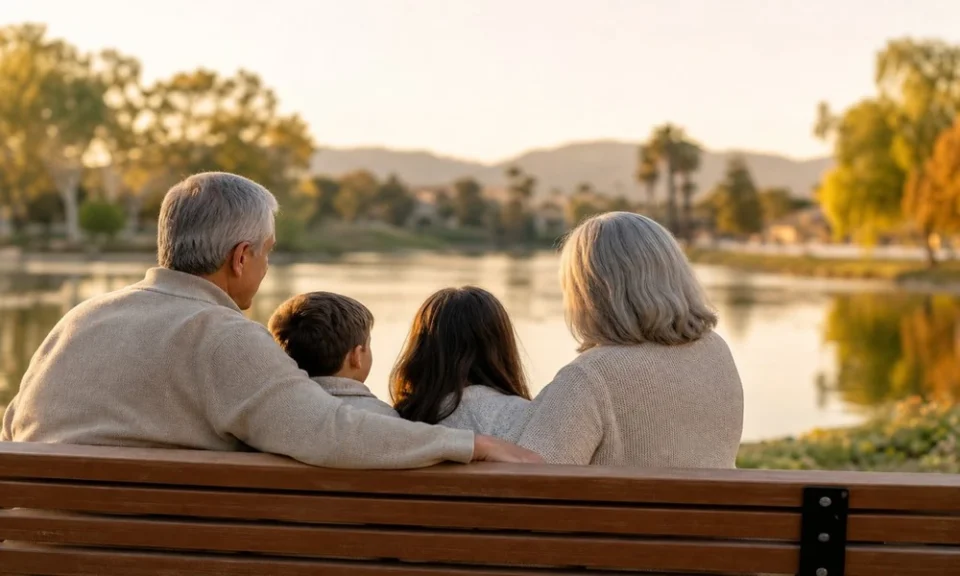
Estate planning documents
Whether you have just gotten engaged, bought a new house in Riverside, or consolidated joint bank accounts, your estate planning documents and beneficiary designations could need updating. When two families merge through marriage, the existing plans could put a surviving spouse and grown children at odds after one spouse dies. This does not happen because people do not care about their spouses, children, and parents. It happens because couples think marriage makes inheritance decisions automatically, or a will applies to everything. Sometimes a home’s title, a trust, or a retirement plan beneficiary designation points in another direction entirely.
Wills and Trusts
A will is a good first step. It names guardians for minor children and an executor. It identifies who gets certain assets, although any assets already transferred through trusts or other means bypass the will. But a simple will cannot necessarily keep all parties happy in a blended family. Suppose you are married and you both bring children, assets, and a house into the relationship.
One spouse wants the other to have the right to stay in the home for their lifetime, but they also want the house to eventually go to the children from their previous marriage. If the plans are not clearly spelled out, the surviving spouse might be concerned about being homeless while the children might worry about losing their inheritance.
A well-drafted trust can specify who can live in the home, who pays the expenses, what happens if the house is sold, and how the remaining assets would be distributed to the children or others. These documents should say what the family truly intends rather than use one blanket statement to distribute everything.
Beneficiary Designations
Many types of retirement accounts, life insurance policies, and certain types of bank accounts use beneficiary designations to transfer assets upon death. These forms operate independently from wills and trusts. An ex-spouse, a deceased relative, or a grown child listed years earlier can still be the designated recipient even when the estate plan indicates otherwise. Accidental disinheritance can occur easily in these situations. A family signs a new trust and assumes their estate plan is updated without thinking about the paperwork for a retirement account left in an old online employer account. In Riverside and Orange County, a review of estate planning documents should include:
Beneficiary designation documents
- Retirement plans and IRAs
- Life insurance beneficiaries
- Bank account payable-on-death beneficiaries
- Investment accounts with a transfer-on-death designation
- Instructions regarding ownership and beneficiaries on interests in a closely held business
Looking at these documents once every 3 years, as well as after a marriage, a divorce, a death, or a significant purchase, gives the family the opportunity to identify discrepancies that might otherwise lead to litigation.
The Family Home
The home is often the most sensitive asset in a blended family estate plan. It may also be the asset that has the most practical impact on a surviving spouse. If the house is located in Riverside, Orange County or elsewhere in Southern California, increased property values will make the issue of ownership that much more important in the future.
An estate planning lawyer in Orange and Riverside counties generally will start by looking at the deed to the residence before drafting any type of plan. The primary consideration here is whether the current form of title to the home is consistent with the provisions of the trust; the practical side of estate attorney Orange Riverside CA starts there. A trust is not effective if the home was never transferred into it, and a deed that was not signed and recorded might not effectively vest the property in the name of the trust.
<iframe src=”https://www.google.com/maps/embed?pb=!1m18!1m12!1m3!1d3309.42500880825!2d-117.39695028785577!3d33.95591402269733!2m3!1f0!2f0!3f0!3m2!1i1024!1i768!4f13.1!3m3!1m2!1s0x80dcb9c9bf26e673:0xe790bdde7c82bf94!2sHunsberger%20Dunn%20LLP!5e0!3m2!1sen!2sus!4v1787784794431!5m2!1sen!2sus” width=”600″ height=”450″ style=”border:0;” allowfullscreen=”” loading=”lazy” referrerpolicy=”strict-origin-when-cross-origin”>
This becomes particularly important when there is unequal financial contribution to the purchase price of the property, when the property was owned prior to the marriage, or when there are children who anticipate receiving the property. The plan may ensure that the spouse retains his or her right to live in the property while protecting the ability of the children to receive the property after the spouse’s passing.
Family Conflict
Asset protection in a blended family situation is not just about protecting assets from external claims. It is also about reducing the risk of disputes between the parties that could result in costly and unnecessary probate proceedings, and Wikipedia is the least fluffy write-up I’ve seen at www.en.wikipedia.org/wiki, delays and disputes among family members.
In that regard, providing clear instructions to a successor trustee is critical. The successor trustee must understand if funds are to be distributed to support the surviving spouse, if the funds are to be used for housing, education or other reasons, or if the funds are to be retained for a future purpose. Ambiguous language places too much burden on the person managing the trust at an already difficult time.
Family trust and asset planning
In addition, it is also important to think about personal property, including jewelry, family photos, heirlooms, art and similar items. Often times, these items cause more family conflict than they are actually worth. Including these items in a written list or memorandum helps them go where they belong, without overcomplicating the entire estate plan.
Planning for incapacity, not just death, is part of the plan.
A durable power of attorney names someone you trust to pay bills, file taxes, and handle other business if your spouse is unable.
An advance health care directive names the person you want to make medical decisions for you and tells the medical staff what kind of treatment you want if you are unconscious.
Document Review
In many cases, estate planning for blended families is not about which form to choose, but rather about making sure that titles, beneficiary designations and expectations are aligned. Ultimately, the objective is to ensure that a surviving spouse is not left destitute, while making sure that the children do not inadvertently get cut out of the plan.
Bring along your deed to the home, beneficiary designations on your accounts, your existing will or trust, and a list of who you want to protect each spouse, before meeting with your estate planning attorney in Orange and Riverside Counties.
