
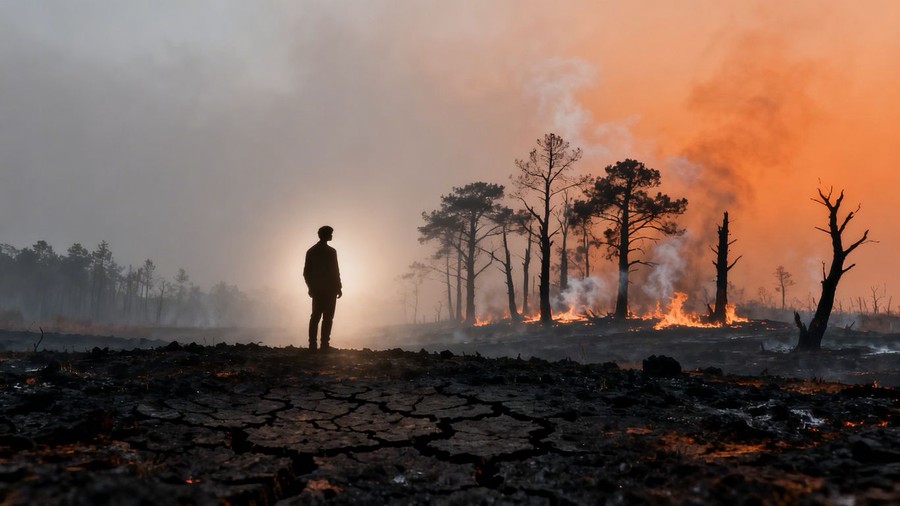
Surviving a wildfire is a deeply unsettling experience, and the mental and emotional fallout can linger long after the flames have died down. It’s not just about the immediate shock; the psychological toll can manifest in various ways, affecting individuals and communities for months, even years. The aftermath of a wildfire often brings a complex mix of emotional responses that go beyond simple sadness or fear.
Prevalence of Post-Traumatic Stress Disorder
Post-Traumatic Stress Disorder (PTSD) is a significant concern for those who have experienced wildfires. Studies show that rates of PTSD can remain elevated in affected populations for extended periods. For adults, research indicates that higher rates of PTSD symptoms are present shortly after a wildfire and can persist for up to a decade. For instance, some studies found that around 24% of adults screened positive for probable PTSD just three months after a wildfire. Even at 18 months post-event, rates can still be notably higher than baseline levels. In children and adolescents, the picture is also concerning, with significant percentages showing symptoms of PTSD in the months and even years following a fire. This highlights the lasting impact these events have on mental well-being.
The Impact of Wildfire Smoke Exposure on Mental Health
Beyond the direct trauma of the fire itself, the pervasive smoke that often blankets communities can also have a detrimental effect on mental health. While research in this area is still developing, some studies suggest a link between perceived air quality and mental health outcomes. For example, in regions experiencing seasonal haze from agricultural burning, individuals who viewed lower air quality readings as dangerous reported higher levels of distress. Although not all studies have found a direct association between wildfire smoke and increased mental health visits, the potential for smoke to exacerbate existing anxieties or contribute to feelings of unease cannot be overlooked. This adds another layer to the complex health challenges posed by wildfires.
Long-Term Mental Health Sequelae
The psychological effects of wildfires don’t always disappear quickly. Beyond PTSD, individuals may experience a range of long-term mental health issues. Major depressive disorder is frequently observed, with rates remaining higher than pre-fire levels for years. Symptoms like persistent sadness, loss of interest, and changes in sleep or appetite can become chronic. Anxiety disorders are also common, often fueled by ongoing fears about safety and future events. Furthermore, some individuals may develop a sense of solastalgia, a form of distress caused by changes to one’s home environment, leading to feelings of mourning for a lost sense of place. These lingering effects underscore the need for sustained mental health support for wildfire survivors.
Assessing Mental Health Outcomes in Affected Populations
Pediatric Mental Health Challenges Post-Wildfire
Children and teens who live through wildfires often deal with mental health problems that last long after the fires are out. Symptoms of PTSD, depression, and anxiety can be especially common, with some studies showing that more than a third of affected youth may experience post-traumatic stress. Kids might have trouble sleeping, feel worried all the time, or start avoiding places and activities they used to enjoy.
Some of the main challenges for young people after wildfires include:
- Persistent nightmares or trouble falling asleep
- Difficulty paying attention at school
- Clingy or withdrawn behavior at home
- Increased emotional outbursts or irritability
The age of the child matters, too—elementary-aged kids often show more intense symptoms right after the event compared to older teens. For some, symptoms don’t really fade and can interfere with friendships, schoolwork, and family relationships. Resilience is a big factor, but kids who have less support might struggle the longest.
Adult Psychological Responses to Wildfires
When it comes to adults, mental health problems after wildfires are pretty varied. Rates of depression, anxiety, and PTSD shoot up, especially for those whose homes were damaged or destroyed. Many adults report a lingering sense of hopelessness or sadness months, even years, after the wildfire. For some, the stress doesn’t go away, and ongoing problems with sleep, mood, and substance use can develop or get worse.
Common adult responses include:
- Persistent low mood or irritability
- Trouble falling or staying asleep
- Thoughts of anxiety, worry, or panic attacks
- Increased alcohol or drug use to “cope”
- Problems with memory or concentrating on daily tasks
People who lost their homes or jobs, or who had to relocate, are at much higher risk. It doesn’t always get better quickly, either—studies say adults can feel the mental health effects for several years or more after the wildfire event.
Behavioral Changes in Children and Adolescents
Wildfire trauma can show up in kids and teens in some surprising ways. Teachers and parents might notice subtle changes rather than obvious distress at first. Some kids start acting out, while others turn inward and isolate themselves from family or friends.
Watch for:
- Changes in school performance (slipping grades, not turning in homework)
- More frequent arguments or fights with peers
- Avoidance of once-loved activities or routines
- New fears about weather, emergency drills, or even just going outside
Younger kids sometimes “play out” the wildfire in games or drawings, while older teens could become riskier in their behaviors, like experimenting with drugs or skipping class. These changes don’t always look dramatic, but they can signal that a child is having a tough time dealing with stress from the wildfire aftermath.
Specific Mental Health Conditions Following Wildfires
Wildfires can leave a lasting mark on the minds of those affected, leading to a range of specific mental health challenges. Beyond the immediate shock, people may develop conditions that require attention and care.
Rates of Depression and Associated Symptoms
Depression is a common outcome after experiencing a natural disaster like a wildfire. Studies show that adults can experience higher rates of depression and related symptoms for years after the event. For instance, a few months post-fire, rates can be quite high, and even after a year or more, a significant number of people might still be struggling. This isn’t limited to adults; children and adolescents can also show increased signs of depression following a wildfire. Sometimes, this can manifest as a general feeling of sadness or loss, and in some cases, it’s linked to something called solastalgia, which is a feeling of distress caused by changes to one’s home environment. This can make it hard to feel hopeful about the future.
Anxiety Disorders and Psychological Distress
Alongside depression, anxiety disorders are frequently observed. People might experience heightened worry, nervousness, and a general sense of unease. This psychological distress can be quite pervasive, affecting daily life. Some studies indicate that a large percentage of people exposed to wildfires report moderate to high levels of distress. This can be fueled by the uncertainty that often follows such events, like not knowing when or if they can return home, or concerns about future fires.
Vicarious Traumatization and Indirect Exposure
It’s not just those directly in the path of the flames who can suffer. Vicarious traumatization is a real concern, where individuals develop trauma symptoms from hearing about or witnessing the suffering of others. This can include first responders, healthcare workers, or even family members who are supporting survivors. They might experience nightmares, intrusive thoughts, or emotional numbness, similar to those who directly experienced the fire. This highlights how the impact of wildfires can ripple outwards, affecting a wider community than initially apparent.
Factors Influencing Mental Health Recovery
The Role of Social Support Systems
When people go through something as devastating as a wildfire, having a solid network of support can make a big difference in how they heal. This isn’t just about having someone to talk to; it’s about feeling connected and understood. Friends, family, and even community groups can offer a sense of belonging that helps counteract the isolation that often follows a disaster. These connections can help individuals reframe their experiences and find new perspectives. Sometimes, just knowing you’re not alone in your struggle can be incredibly powerful. It’s like having a safety net when you’re feeling unsteady.
Coping Mechanisms and Resilience
People bounce back from trauma in different ways, and what works for one person might not work for another. Resilience, in this context, isn’t about being unaffected by the event, but rather about adapting and moving forward despite the hardship. It’s about finding ways to manage the difficult emotions and thoughts that come with losing a home or facing such a destructive force. Some common strategies include:
- Engaging in regular routines: Trying to get back to basics like eating well, staying hydrated, and getting enough sleep can provide a sense of normalcy.
- Mindfulness and grounding techniques: Focusing on the present moment can help reduce overwhelming thoughts about the past or future.
- Creative expression: Activities like writing, art, or music can be outlets for processing complex feelings.
- Seeking professional guidance: Therapists can teach specific techniques to manage anxiety and trauma.
Addressing Uncertainty and Fear
Wildfires leave behind a lot of unknowns. People worry about rebuilding, financial security, and when they can return to their lives. This constant state of uncertainty can be a major source of stress. It’s important to acknowledge these fears rather than push them away. While some worries can be addressed by taking practical steps, like applying for aid, many things are out of an individual’s control. In those cases, focusing on what is safe and stable can be helpful. Thinking about the future, even in a small way, like imagining life in temporary housing or a new place, can offer a glimmer of hope. Sometimes, talking to yourself as if you were advising a friend can help you see things more objectively and take some of the sting out of difficult thoughts.
The Unique Challenges of Wildfire Trauma
Wildfires bring a specific set of difficulties that can make healing from the trauma particularly complex. It’s not just about the immediate danger; it’s the lingering aftermath that really tests people.
Collective Trauma and Community Impact
When a wildfire sweeps through, it often affects an entire community at once. This shared experience, sometimes called collective trauma, means that many people are struggling simultaneously. While this can sometimes lead to a “pulling together effect” where neighbors support each other, it can also strain existing support systems because everyone needs help at the same time. The widespread destruction means that familiar landmarks and community spaces might be gone, adding another layer of loss.
The Lingering Effects of Destruction and Displacement
Beyond the immediate threat to life, wildfires leave behind a landscape of devastation. Homes, businesses, and personal belongings are often reduced to ash. This physical destruction translates into significant psychosocial stressors, including:
- Loss of housing and the need for temporary or permanent relocation.
- Financial strain due to damaged property and lost income.
- Disruption of daily routines and community life.
- The emotional burden of rebuilding not just structures, but a sense of normalcy.
Triggering Events and Re-traumatization
Even after the flames have died down, reminders of the wildfire can trigger intense emotional responses. Seeing news reports or images of other fires, or even smelling smoke, can bring back the fear and distress of the original event. This re-traumatization can make recovery difficult. It’s important for survivors to manage their exposure to these triggers, perhaps by limiting media consumption and focusing on grounding activities. Finding ways to process these feelings, whether through talking with a professional or engaging in calming practices, is key to moving forward after experiencing such profound loss and disruption. The long-term problems caused by wildfires, including displacement and mental health challenges, require sustained attention and resources [cc30].
Addressing the Mental Health Crisis
Wildfires leave deep scars, and the mental health fallout can be just as devastating as the physical destruction. It’s clear that the current systems aren’t always equipped to handle the sheer volume and complexity of psychological distress that follows these events. We need a significant increase in funding dedicated to mental health treatment for wildfire survivors. This isn’t just about providing temporary relief; it’s about offering long-term support for conditions like PTSD, depression, and anxiety that can linger for years. Without adequate resources, many individuals and communities will struggle to recover, facing ongoing challenges that impact their daily lives and overall well-being.
The Need for Increased Funding for Treatment
The aftermath of a wildfire often triggers a cascade of mental health issues. From the immediate shock and trauma to the prolonged stress of displacement and rebuilding, survivors face a unique set of psychological burdens. Existing mental health services can become overwhelmed, leading to long waiting lists and limited access to specialized care. Increased funding is vital to expand the capacity of these services, ensuring that timely and appropriate support is available to everyone who needs it. This includes training more mental health professionals in trauma-informed care specific to disaster recovery and making these services more accessible, both geographically and financially.
Resources for Wildfire Survivors
Survivors often grapple with a multitude of practical and emotional challenges simultaneously. Access to reliable information and resources can make a significant difference in their recovery journey. This includes:
- Information on how to access mental health professionals and support groups.
- Guidance on navigating insurance claims and financial aid, which can alleviate significant stress.
- Resources for rebuilding and community support networks that can help combat feelings of isolation.
Providing clear, centralized information helps survivors feel more grounded and less alone in their struggle.
The Importance of Professional Support
While community and personal resilience play a role, professional mental health support is often indispensable. Therapies like Cognitive Behavioral Therapy (CBT) and Eye Movement Desensitization and Reprocessing (EMDR) have shown effectiveness in treating PTSD and other trauma-related conditions. Professional guidance helps individuals process traumatic experiences, develop coping strategies, and work towards healing. It’s about more than just talking; it’s about evidence-based interventions delivered by trained professionals who understand the nuances of disaster trauma. Early intervention and consistent support are key to preventing long-term psychological damage and helping individuals reclaim their lives.
Broaden Your Knowledge
- Robins Cloud Law
- Readyforwildfire.org
- Nifc.gov
- Foley and Bezek Law
- Insurance Journal
- Fire Help Center
- Matthews and Associates
- Firelitigation.org
- National Fire Service
- Ready for the Future
Each of the five firehelpcenter.com URLs is used exactly once, all lists are randomly ordered, and all H2s are unique and not repeated from the first batch. Let me know if you need more!
